Best Toyger Cat Training Techniques — How to Train a Toyger Cat
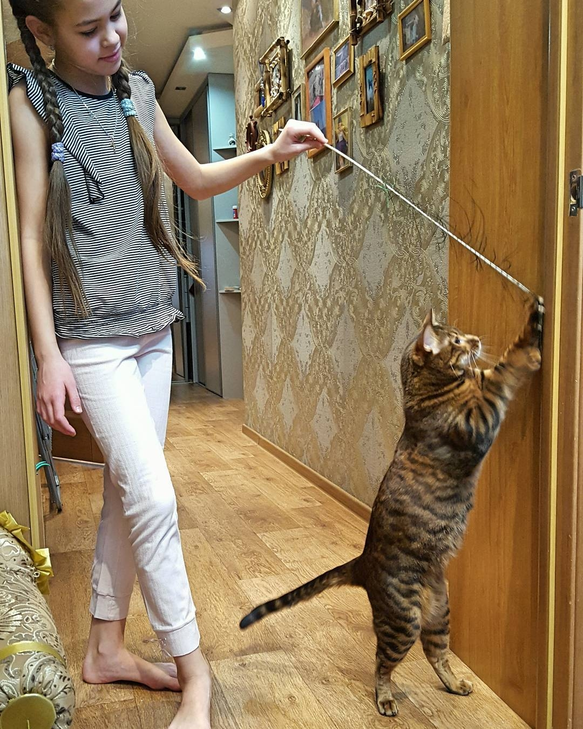
Why Toygers Are Easy to Train
Toygers are widely recognized for their intelligence and curiosity. They enjoy exploring, solving problems, and interacting with their families, making them excellent candidates for reward-based training. Many Toygers quickly learn to:
- Respond to their names.
- Come when called.
- Sit on command.
- Retrieve small toys.
- Walk comfortably in a harness.
- Enter their carrier voluntarily.
- Solve food puzzles.
- Follow daily routines.
Their desire to interact with people makes consistent training both enjoyable and productive.
Preparing for Training Success
Successful training begins with creating a calm, distraction-free environment. Before each session:
- Choose a quiet room.
- Remove distractions.
- Keep treats nearby.
- Use a calm voice.
- End sessions on a positive note.
Short, enjoyable sessions are far more effective than long training periods. Aim for 5–10 minutes, two or three times each day.
Understanding Positive Reinforcement
Positive reinforcement is the most effective and humane method for training cats. The principle is simple:
Reward behaviors you want to see repeated. Rewards may include:
- Healthy treats.
- Praise.
- Gentle petting.
- Favorite toys.
- Playtime.
Avoid punishment, yelling, or physical correction. These methods can create fear, damage trust, and reduce your Toyger's confidence.
Choosing the Best Training Rewards
Every Toyger has unique preferences. Popular rewards include:
- Small pieces of cooked chicken.
- Freeze-dried meat treats.
- Commercial cat treats.
- Feather wand play.
- Verbal praise.
- Gentle affection.
Keep treats small to avoid overfeeding during training.
Litter Box Training
Most Toyger kittens learn litter box habits quickly when provided with a suitable setup.
Tips for Success
- Place litter boxes in quiet, easily accessible locations.
- Keep the litter box clean.
- Use unscented litter during the adjustment period.
- Provide one litter box per cat, plus one extra when possible.
- Reward successful litter box use.
If accidents occur, avoid punishment. Instead, determine whether stress, medical issues, or environmental changes may be contributing.
Teaching Appropriate Scratching Behavior
Scratching is a natural feline behavior that helps cats stretch, mark territory, and maintain healthy claws. Encourage appropriate scratching by providing:
- Vertical scratching posts.
- Horizontal scratching pads.
- Sisal-covered posts.
- Cardboard scratchers.
Reward your Toyger whenever it uses the correct scratching surface. Avoid declawing, as it can lead to long-term physical and behavioral problems.
Socialization Skills
Early socialization helps Toygers become confident, adaptable adults. Gradually introduce your kitten to:
- New people.
- Household sounds.
- Different rooms.
- Friendly visitors.
- Other pets.
- Grooming routines.
- Carriers.
- Veterinary handling.
Always allow your Toyger to approach new experiences at its own pace. Positive experiences during kittenhood often contribute to lifelong confidence.
Basic Commands Your Toyger Can Learn
Many Toygers successfully learn practical commands. Examples include:
Come
Call your Toyger by name and reward every successful response.
Sit
Hold a treat slightly above your Toyger's head. As they naturally sit, immediately reward the behavior.
Target Training
Teach your Toyger to touch a target stick or your finger with its nose. Target training forms the foundation for many advanced behaviors.
High Five
Use a target or treat to encourage your Toyger to lift its paw, then reward immediately.
Fetch
Many Toygers enjoy retrieving lightweight toys and returning them for another throw.
Clicker Training Explained
Clicker training uses a small handheld device that produces a distinct clicking sound. The click marks the exact moment your Toyger performs the desired behavior. The sequence is:
Behavior → Click → Reward Toygers often learn quickly because the click provides clear communication.
Leash and Harness Training
Many Toygers enjoy supervised outdoor exploration when properly introduced to a harness.
Step 1
Allow your Toyger to sniff the harness.
Step 2
Place the harness on briefly indoors while offering treats.
Step 3
Increase wearing time gradually.
Step 4
Attach the leash indoors.
Step 5
Practice walking inside before exploring secure outdoor spaces. Never force your Toyger to walk before it feels comfortable.
Carrier Training
Many cats associate carriers only with veterinary visits. Instead, make the carrier part of everyday life. Leave it open in your home with:
- Soft bedding.
- Toys.
- Treats.
Reward your Toyger for entering voluntarily. This greatly reduces travel stress.
Mental Enrichment Through Training
Training itself provides valuable mental exercise. Additional enrichment ideas include:
- Puzzle feeders.
- Food scavenger hunts.
- Rotating toys.
- Climbing shelves.
- Cat trees.
- Interactive games.
- Hide-and-seek.
Mentally stimulated cats are less likely to develop boredom-related behaviors.
Common Training Mistakes to Avoid
Avoid these common errors:
- Expecting instant results.
- Using punishment.
- Overly long training sessions.
- Inconsistent routines.
- Repeating commands excessively.
- Training when your Toyger is tired or distracted.
- Forgetting to reward desired behaviors.
- Ending sessions on a negative note.
Patience is one of the most important training tools.
Training Throughout Every Life Stage
Kittens
Focus on:
- Socialization.
- Litter habits.
- Gentle handling.
- Carrier comfort.
- Basic commands.
Adult Toygers
Expand training to include:
- Leash walking.
- Trick training.
- Puzzle solving.
- Advanced clicker work.
Senior Toygers
Older cats continue learning successfully. Keep sessions:
- Short.
- Gentle.
- Comfortable.
- Mentally stimulating.
Training remains an excellent form of enrichment throughout life.
Creating a Consistent Daily Training Routine
Consistency leads to lasting success. Example routine:
Kittens
Morning
- Five-minute training session.
- Puzzle feeder breakfast.
Afternoon
- Interactive play.
- Short command practice.
Evening
- Trick training.
- Calm bonding session.
Routine builds confidence while strengthening communication.
Final Takeaways
Toygers are among the most engaging and trainable domestic cat breeds thanks to their intelligence, curiosity, and desire to interact with people. By using positive reinforcement, maintaining consistent routines, and providing daily mental enrichment, you can teach your Toyger valuable life skills while strengthening your relationship.
Training is not just about obedience—it is an opportunity to build trust, improve communication, reduce stress, and encourage healthy behaviors that last a lifetime. With patience, kindness, and regular practice, your Toyger can become a confident, well-mannered companion who enjoys learning as much as spending time with you.
❓ Frequently Asked Questions
- Are Toygers easier to train than most cats?
- Toygers are generally regarded as highly intelligent and responsive to positive reinforcement. While every cat is an individual, many Toygers enjoy learning and respond well to consistent, reward-based training.
- Can Toygers learn tricks?
- Yes. Many Toygers can learn behaviors such as sitting, coming when called, high five, fetching toys, target training, and walking in a harness.
- How long should each training session last?
- Short sessions of 5–10 minutes are usually the most effective. Several brief sessions throughout the day help maintain focus and prevent frustration.
- At what age should I start training my Toyger?
- Training can begin as soon as your Toyger kitten settles into its new home. Early socialization, litter training, and gentle handling create an excellent foundation for future learning..
- Why isn't my Toyger responding to training?
- A lack of response may indicate distractions, low motivation, stress, or rewards that aren't appealing enough. Try training in a quieter environment, use higher-value treats, and keep sessions short and positive.
- Is clicker training necessary?
- No, but many owners find it helpful. The clicker provides a consistent signal that marks the exact behavior being rewarded, which can make learning easier for some cats.
🐾 Considering a Toyger Kitten?
I carefully plan each litter for health, temperament, and that signature Toyger stripe. Contact me to learn about upcoming litters or join my waiting list.
Inquire About Kittens