Understanding Toyger Personality — Intelligence & Playfulness
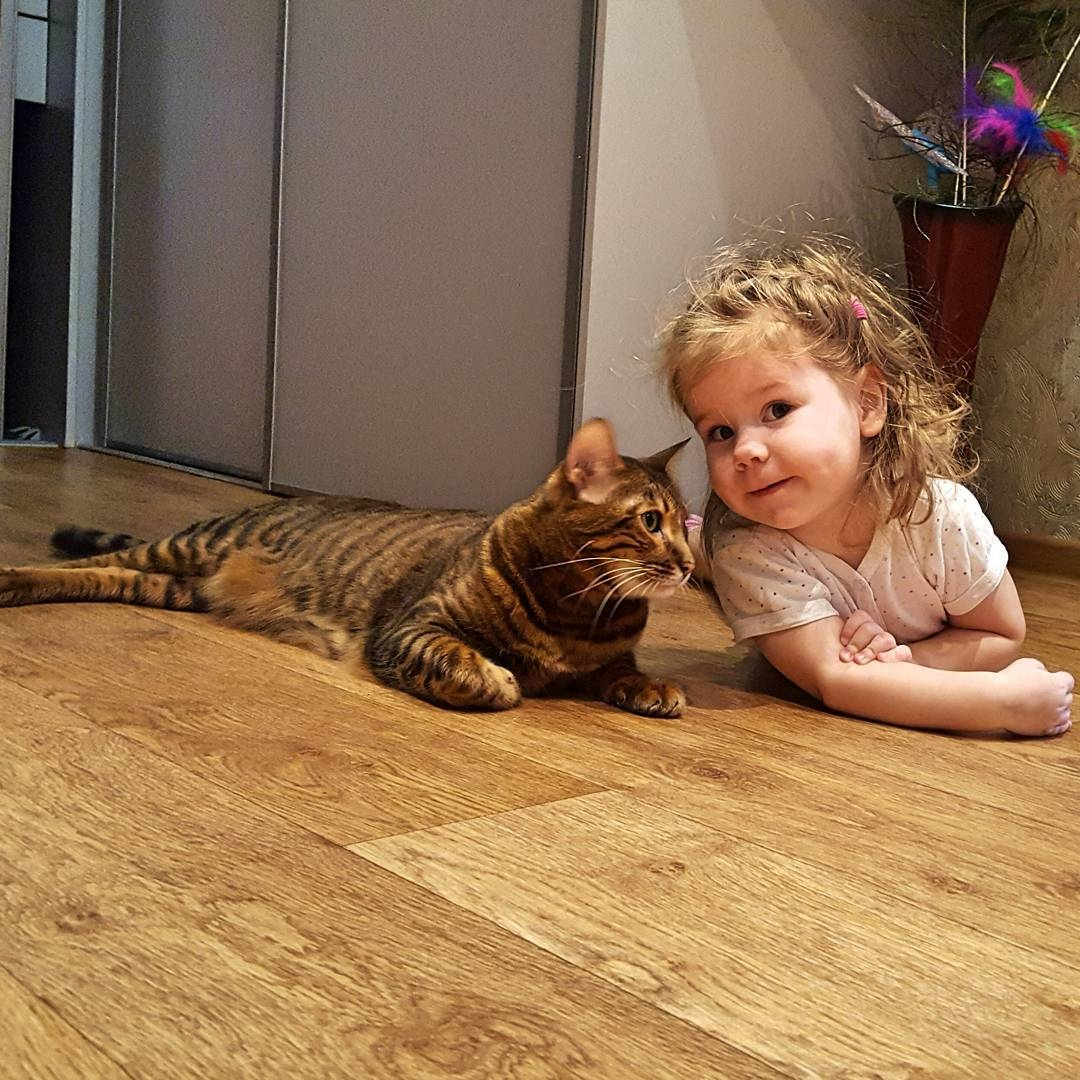
Introduction — Understanding Toyger Personality
The Toyger cat is admired for its breathtaking resemblance to a miniature tiger, but beneath its striking striped coat lies an affectionate, intelligent, and remarkably social companion. Developed to capture the appearance of a wild tiger while maintaining the gentle temperament of a domestic cat, the Toyger has become one of the most fascinating cat breeds for families seeking both beauty and personality.
Whether you're considering bringing home your first Toyger kitten or simply want to understand your cat's behavior more deeply, this comprehensive guide explores everything you need to know about the Toyger's unique personality, communication style, social needs, and mental abilities.
What Makes the Toyger Personality Unique?
Although the Toyger was bred to resemble a wild tiger in appearance, its personality is distinctly domestic. Toygers are widely appreciated for being:
- Intelligent
- Friendly
- Curious
- Confident
- Gentle
- Playful
- Adaptable
- Affectionate
Many owners describe Toygers as highly interactive cats that actively seek involvement in family life. Rather than spending the day hidden away, many Toygers enjoy observing household activities, following their favorite people, and participating in daily routines.
Their balanced temperament makes them well suited to many different lifestyles, provided they receive sufficient attention, enrichment, and companionship.
Natural Intelligence
One of the Toyger's most celebrated characteristics is its intelligence. Toygers are quick learners that often:
- Solve food puzzles.
- Learn household routines.
- Recognize their names.
- Respond to consistent training.
- Open simple cabinet doors.
- Learn tricks through repetition.
- Explore new environments confidently.
Because they enjoy mental challenges, Toygers benefit from activities that encourage problem-solving rather than passive entertainment. Providing daily opportunities to think, investigate, and explore helps prevent boredom.
Playfulness Throughout Life
Unlike some breeds that become less active with age, many Toygers retain a playful nature throughout adulthood. Favorite activities often include:
- Chasing feather toys.
- Climbing cat trees.
- Interactive wand games.
- Puzzle feeders.
- Fetching lightweight toys.
- Exploring cardboard boxes.
- Watching birds through windows.
- Learning simple tricks.
Regular play provides both physical exercise and mental stimulation, supporting overall health and reducing unwanted behaviors caused by boredom.
Affection and Family Bonding
Toygers are known for forming strong emotional connections with their families. Many enjoy:
- Sitting beside their owners.
- Following people around the home.
- Greeting family members at the door.
- Sleeping nearby.
- Gentle cuddling on their own terms.
- Participating in daily routines.
While every cat has its own comfort level with physical affection, many Toygers appreciate regular interaction and companionship. Respecting your cat's boundaries helps strengthen trust over time.
Social Behavior Around Children and Other Pets
Well-socialized Toygers are often comfortable in family environments. They may do well with:
- Respectful children.
- Other friendly cats.
- Cat-friendly dogs introduced gradually.
Children should always be taught how to interact gently and respectfully with cats. Introduce new pets slowly, allowing each animal to adjust at its own pace. Positive, supervised introductions encourage successful long-term relationships.
Communication and Body Language
Cats communicate primarily through body language rather than vocalization alone. Understanding your Toyger's signals helps you respond appropriately.
Relaxed Toyger
Signs include:
- Upright tail with relaxed posture.
- Slow blinking.
- Gentle purring.
- Soft body muscles.
- Curious exploration.
Excited Toyger
May display:
- Dilated pupils.
- Fast movements.
- Playful pouncing.
- Energetic vocalizations.
Stressed Toyger
Possible signs include:
- Hiding.
- Flattened ears.
- Tucked tail.
- Hissing.
- Reduced appetite.
- Excessive grooming.
Learning these subtle cues allows owners to recognize emotional changes before they escalate.
Daily Mental Enrichment
Mental stimulation is just as important as physical exercise. Excellent enrichment ideas include:
- Puzzle feeders.
- Treat-dispensing toys.
- Window perches.
- Cat trees.
- Rotating toys.
- Training sessions.
- Food scavenger games.
- Safe climbing opportunities.
Changing toys periodically helps maintain interest.
Training and Positive Reinforcement
Toygers respond well to reward-based learning. You can teach:
- Coming when called.
- Sitting on cue.
- Entering the carrier.
- Walking with a harness.
- High-five.
- Fetch.
- Target training.
Reward desired behaviors using:
- Praise.
- Healthy treats.
- Play.
- Gentle affection.
Avoid punishment, which can damage trust and increase fear. Consistency produces the best results.
Common Behavioral Challenges
Even intelligent, well-socialized cats may occasionally display unwanted behaviors. Examples include:
- Scratching furniture.
- Climbing countertops.
- Excessive vocalization.
- Boredom-related mischief.
- Overeating.
- Nighttime activity.
Rather than punishing these behaviors, identify the underlying cause. Many issues improve through:
- More enrichment.
- Additional scratching posts.
- Increased playtime.
- Consistent routines.
- Environmental changes.
Stress and Anxiety in Toygers
Like all cats, Toygers can become stressed by sudden changes. Common stressors include:
- Moving house.
- New pets.
- Loud renovations.
- Schedule changes.
- Lack of enrichment.
- Conflict with other animals.
Signs of stress may include:
- Hiding.
- Appetite changes.
- Litter box avoidance.
- Excessive grooming.
- Withdrawal.
- Increased vocalization.
Maintaining predictable routines and providing quiet retreat spaces can help reduce stress.
Understanding Individual Personality Differences
Although breed traits provide general expectations, every Toyger has its own unique personality. Some Toygers are:
- Extremely outgoing.
- Quiet observers.
- Highly adventurous.
- Reserved around strangers.
- Exceptionally cuddly.
- More independent.
Early socialization, life experiences, genetics, and environment all influence individual temperament. Getting to know your own cat's preferences is one of the most rewarding aspects of ownership.
How Personality Changes with Age
Kittens
Young Toygers are typically:
- Curious.
- Energetic.
- Fearless explorers.
- Quick learners.
Adults
Adult Toygers often become:
- More confident.
- Emotionally stable.
- Predictable.
- Deeply bonded with family.
Seniors
Senior Toygers may:
- Sleep more.
- Prefer quieter activities.
- Enjoy gentle play.
- Continue seeking companionship.
Regular veterinary care helps support behavioral health as cats age.
Creating the Ideal Home for a Toyger
Toygers thrive in environments that encourage exploration. Consider providing:
- Tall cat trees.
- Window perches.
- Interactive toys.
- Multiple scratching posts.
- Quiet sleeping areas.
- Puzzle feeders.
- Safe climbing opportunities.
- Daily family interaction.
A stimulating environment supports both emotional well-being and healthy behavior.
Strengthening Your Bond
Building trust takes consistency and patience. Spend quality time each day:
- Playing.
- Talking calmly.
- Grooming gently.
- Offering treats.
- Respecting boundaries.
- Following predictable routines.
Strong relationships develop gradually through positive daily experiences.
Final Takeaways
The Toyger combines the dramatic appearance of a miniature tiger with the gentle, engaging personality of a devoted companion. Their intelligence, curiosity, playfulness, and affectionate nature make them rewarding pets for owners who are willing to invest time in daily interaction, enrichment, and positive training.
While every Toyger is unique, understanding common breed traits helps you recognize your cat's needs, interpret its behavior, and create an environment where it can thrive. By respecting your Toyger's personality, encouraging healthy mental stimulation, and building trust through patience and consistency, you'll develop a lifelong bond with a confident, happy, and well-adjusted feline friend.
❓ Frequently Asked Questions
- Are Toygers affectionate cats?
- Yes. Many Toygers enjoy spending time with their families and often develop close bonds with their owners. While each cat has an individual personality, the breed is generally known for being friendly, social, and people-oriented.
- Are Toygers intelligent?
- Toygers are considered highly intelligent and often learn routines, solve puzzles, and respond well to reward-based training. Their curiosity makes mental enrichment an important part of everyday care.
- Do Toygers get along with children?
- When properly socialized and treated respectfully, Toygers often do well with children. Adult supervision is recommended to ensure positive interactions and to teach children how to handle cats gently.
- Can Toygers live with dogs?
- Many Toygers can live successfully with cat-friendly dogs when introductions are gradual and carefully supervised. Individual temperament and the personalities of both animals play an important role.
- Why does my Toyger follow me everywhere?
- Following family members is a common behavior in many social cats. It may reflect curiosity, a desire for companionship, anticipation of play or meals, or simply a strong bond with you.
- Are Toygers good for first-time cat owners?
- Many first-time owners enjoy Toygers because of their affectionate and interactive nature. However, prospective owners should be prepared to provide daily play, mental stimulation, and consistent care to meet the breed's social and intellectual needs.
🐾 Considering a Toyger Kitten?
I carefully plan each litter for health, temperament, and that signature Toyger stripe. Contact me to learn about upcoming litters or join my waiting list.
Inquire About Kittens