Toyger Grooming Secrets — How to Maintain Stunning Striped Coat
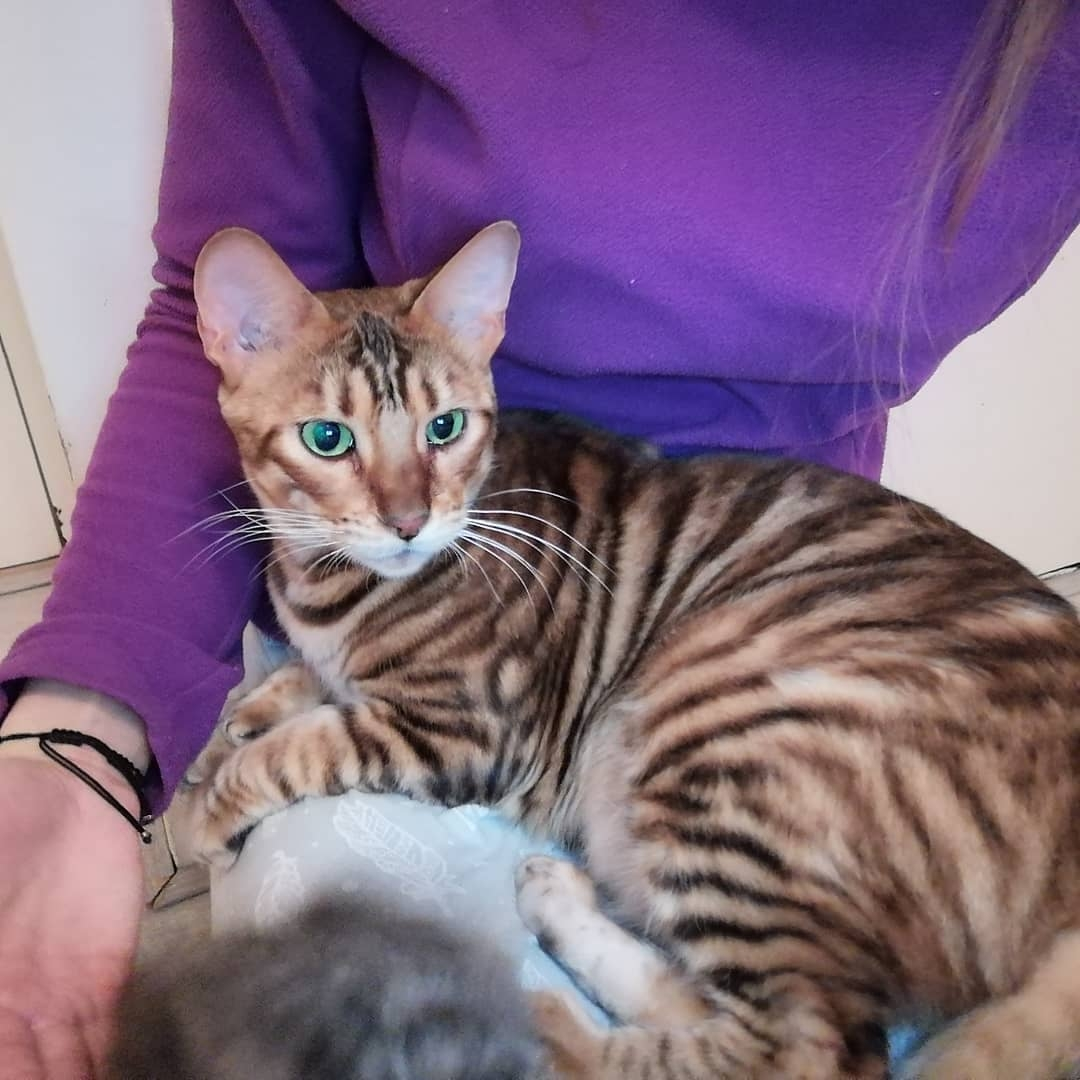
Introduction — Understanding the Toyger Coat
The Toyger was selectively developed to resemble a miniature tiger while retaining the affectionate temperament of a domestic cat. One of the breed's defining characteristics is its short, plush, exceptionally soft coat with bold, well-defined stripes over a warm orange or golden background. Unlike long-haired breeds, Toygers rarely develop mats or tangles. However, their dense coat still benefits from routine grooming to remove loose hair, distribute natural skin oils, and maintain its healthy shine.
Healthy grooming habits allow the natural contrast of the Toyger's stripes to remain vibrant and well-defined throughout the year.
Benefits of Regular Grooming
Routine grooming provides far more than cosmetic benefits. Regular grooming helps:
- Remove loose hair before it is swallowed.
- Reduce hairballs.
- Stimulate healthy skin circulation.
- Distribute natural oils across the coat.
- Detect skin problems early.
- Identify parasites or unusual lumps.
- Strengthen the relationship between owner and cat.
- Keep your Toyger comfortable year-round.
Many cats also find gentle brushing relaxing once they become familiar with the routine.
Essential Grooming Supplies
Keeping the right equipment on hand makes grooming easier and more comfortable. Recommended supplies include:
- Soft bristle brush
- Rubber grooming mitt
- Stainless steel grooming comb
- Cat nail clippers
- Styptic powder (for accidental nail bleeding)
- Cat-safe shampoo
- Soft microfiber towel
- Cotton pads for eye cleaning
- Cat toothbrush
- Cat-specific toothpaste
- Ear cleaning solution recommended by your veterinarian
Choose grooming products specifically designed for cats, as human products may irritate feline skin.
Brushing Your Toyger
Although Toygers require less brushing than many breeds, consistent grooming keeps their coat looking sleek and healthy.
Recommended Frequency
- Once or twice weekly during most of the year.
- Two to three times weekly during seasonal shedding periods.
Proper Brushing Technique
Begin brushing at the head and work gently toward the tail using slow, smooth strokes. Always brush:
- With the direction of hair growth.
- Gently around sensitive areas.
- Without pulling on the coat.
Reward calm behavior with praise or a healthy treat after each grooming session.
Managing Seasonal Shedding
Toygers naturally shed throughout the year, with heavier shedding often occurring during seasonal changes. To reduce loose hair:
- Increase brushing frequency.
- Vacuum furniture regularly.
- Wash bedding frequently.
- Maintain a balanced diet.
- Encourage hydration.
Regular grooming greatly reduces hair accumulation around the home.
Bathing Your Toyger
Unlike dogs, most Toygers do not require frequent baths. Bathing is generally only necessary when:
- The coat becomes unusually dirty.
- Your cat encounters sticky substances.
- Your veterinarian recommends medicated bathing.
- Preparing for a cat show.
Safe Bathing Tips
- Use lukewarm water.
- Use only cat-safe shampoo.
- Avoid getting water into the ears.
- Rinse thoroughly.
- Dry gently with a soft towel.
- Keep your cat warm afterward.
Overbathing may remove natural oils that protect healthy skin and coat.
Nail Trimming
Indoor Toygers benefit from routine nail care even when scratching posts are available.
Trim nails approximately every 3–4 weeks, or as needed.
Only trim the sharp, transparent tip of each nail.
Avoid cutting into the pink area (the quick), which contains blood vessels and nerves.
If you're uncertain, ask your veterinarian or groomer to demonstrate proper technique.
Ear Care
Healthy ears should appear:
- Clean
- Light pink
- Odor-free
- Free of excessive wax
Inspect ears weekly.
Contact your veterinarian if you notice
- Redness
- Swelling
- Dark discharge
- Persistent scratching
- Strong odor
Never insert cotton swabs deep into the ear canal.
Eye Care
Toygers generally require minimal eye care. Occasionally wipe away minor discharge using:
- Warm water
- Soft cotton pad
Use a separate cotton pad for each eye. Persistent redness, squinting, swelling, or thick discharge should be evaluated by a veterinarian.
Dental Hygiene
Dental disease affects many adult cats. Daily or several-times-weekly brushing helps reduce plaque and supports long-term oral health, Use:
- Cat toothbrush
- Cat-specific toothpaste
Never use human toothpaste. Routine veterinary dental examinations remain an important part of preventive healthcare.
Paw Care
Healthy paws allow Toygers to climb, jump, and play comfortably. Inspect paw pads regularly for:
- Cuts
- Swelling
- Splinters
- Cracks
- Foreign objects
Keep claws trimmed and scratching posts available to support healthy paw function.
Skin and Coat Health
Beautiful coats begin with excellent nutrition. Support healthy skin by providing:
- High-quality animal protein.
- Omega-3 fatty acids
- Omega-6 fatty acids.
- Fresh water.
- Regular veterinary care.
A shiny, smooth coat often reflects overall good health.
Creating a Stress-Free Grooming Routine
Start grooming while your Toyger is still a kitten. Keep sessions:
- Short
- Gentle
- Positive
- Consistent
Allow your kitten to investigate grooming tools before using them. Reward cooperation with praise, affection, or small treats. Never force grooming if your cat becomes frightened. Building positive associations early makes lifelong grooming much easier.
Common Grooming Mistakes to Avoid
Avoid these common errors:
- Brushing too aggressively.
- Using human shampoo.
- Bathing too frequently.
- Ignoring dental care.
- Neglecting nail trimming.
- Forgetting ear inspections.
- Skipping routine grooming because the coat is short.
- Punishing fearful behavior during grooming.
- Ignoring skin changes or unusual lumps.
Consistency is more important than lengthy grooming sessions.
Final Takeaways
Regular grooming is one of the simplest ways to keep your Toyger healthy while showcasing the breed's remarkable tiger-inspired beauty. Although Toygers are naturally low-maintenance, consistent brushing, nail care, dental hygiene, ear checks, and a balanced diet all contribute to a healthy skin barrier, a glossy striped coat, and overall well-being.
Grooming should never be viewed as just a cosmetic task. It is an opportunity to monitor your cat's health, strengthen your bond, and detect small changes before they become larger problems. By introducing gentle grooming routines early and keeping each session calm and positive, you'll help your Toyger remain comfortable, confident, and beautifully groomed throughout every stage of life.
❓ Frequently Asked Questions
- How often should I brush my Toyger?
- Most Toygers benefit from brushing once or twice a week. During seasonal shedding, increasing brushing to two or three sessions per week can help remove loose hair and keep the coat looking its best.
- Do Toygers need regular baths?
- Not usually. Their short coat stays relatively clean with routine grooming. Baths are generally only necessary when your Toyger becomes unusually dirty or if recommended by your veterinarian.
- How often should I trim my Toyger's nails?
- Most indoor Toygers need their nails trimmed every three to four weeks, although the exact timing depends on growth and activity levels.
- Can grooming help reduce hairballs?
- Yes. Regular brushing removes loose hair before it is swallowed during self-grooming, helping reduce hairball formation.
- What brush works best for a Toyger?
- A soft bristle brush or rubber grooming mitt works well for the Toyger's short, dense coat. Many owners also use a fine grooming comb to remove loose hairs after brushing.
- Why is my Toyger shedding more than usual?
- Seasonal shedding is normal, particularly during changes in daylight and temperature. However, excessive shedding accompanied by bald patches, itching, or skin irritation should be evaluated by a veterinarian.
🐾 Considering a Toyger Kitten?
I carefully plan each litter for health, temperament, and that signature Toyger stripe. Contact me to learn about upcoming litters or join my waiting list.
Inquire About Kittens